Programme · Atlas
The Atlas of Emotions.
What gets named gets understood. What gets understood gets metabolised. A library of cards, exercises and stories — in the languages of Luxembourg classrooms.
Try it
The same emotion in your child's language.
The Atlas exists in French, German, Luxembourgish, English and Portuguese — the languages of Luxembourg classrooms.
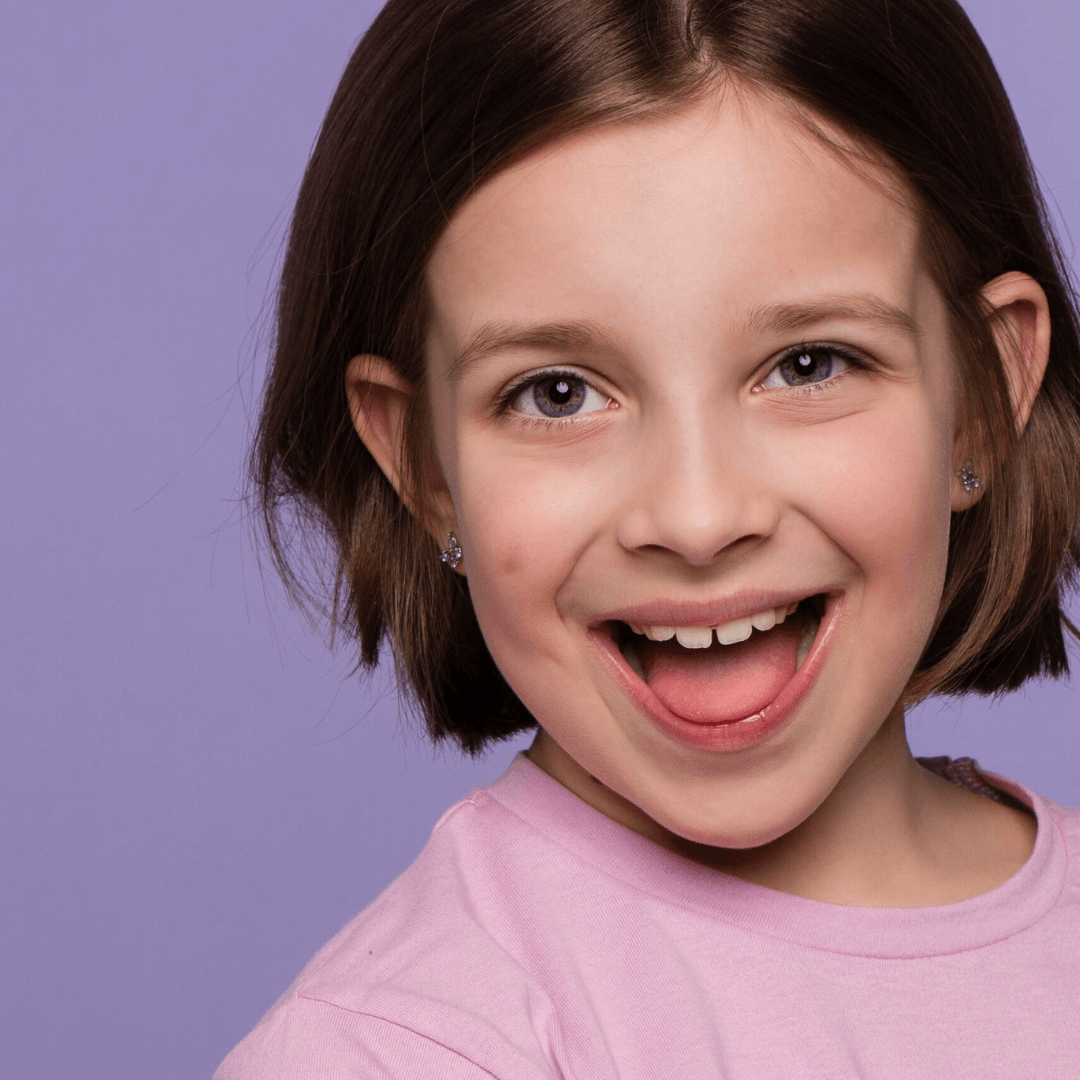
Glécklech
Happy

Begeeschtert
Excited

Verwiert
Confused

Ängschtlech
Anxious
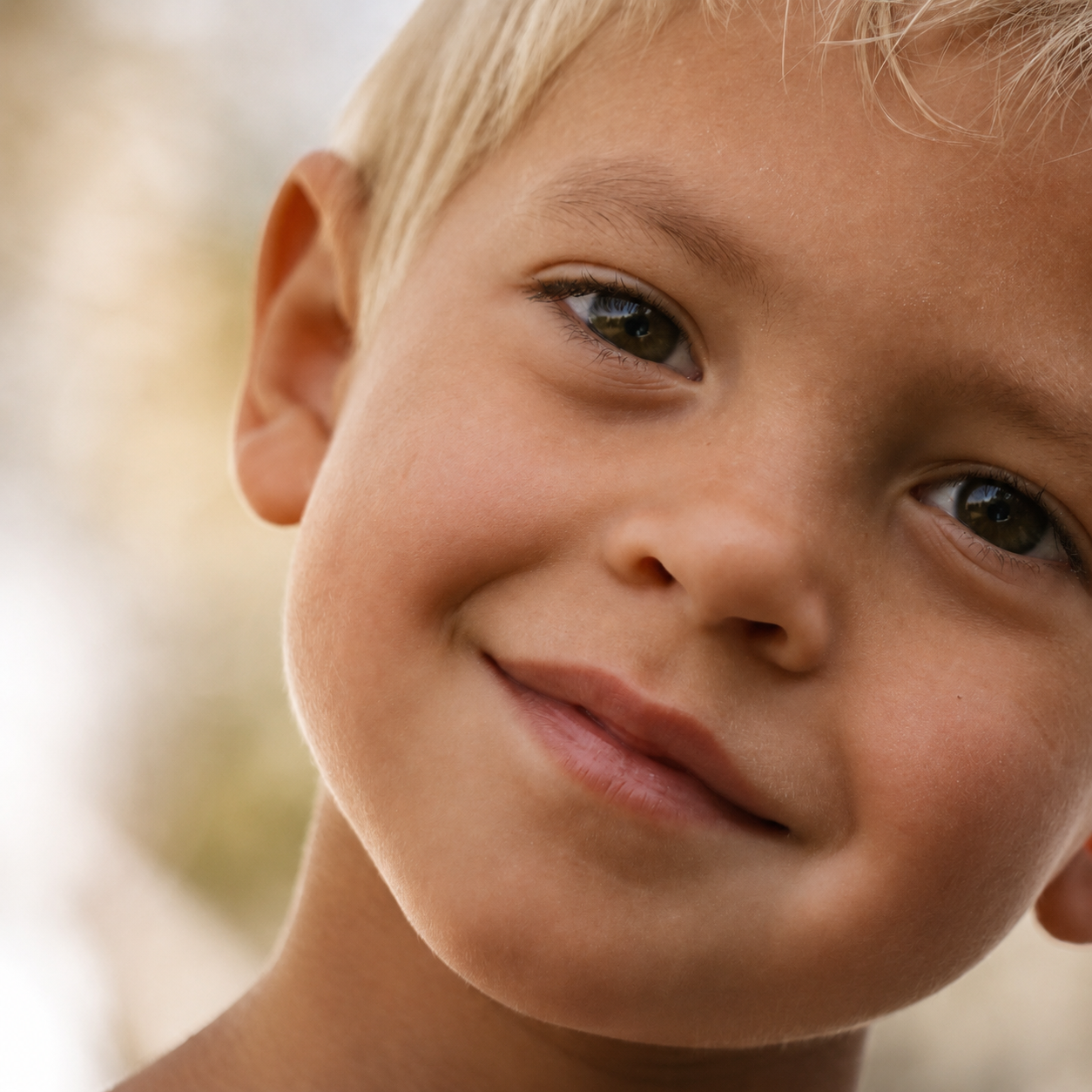
Léift
Loved

Dankbar
Grateful

Eenzam
Lonely

Peinlech
Embarrassed

Ermächtegt
Empowered

Wuetend
Angry
One word, one story
Froumat — the joy of sharing someone else's happiness.
Luxembourgish carries emotional precision that English doesn't have a word for. Teaching children their cultural language of feeling is a quiet act of belonging — and it works on adults too.

Curriculum alignments
Emotional vocabulary, mapped to the curriculum.
Universal facts up top. Luxembourg-specific curriculum alignment and full programme details live in expandable sections — so directors abroad and reviewers in Luxembourg both find what they need without scrolling past noise.
- What it is
- A multilingual emotional literacy library — cards, exercises and stories — that helps children name what they feel. Built around culturally specific emotional vocabulary (including Luxembourgish words such as Froumat, the joy of sharing someone else's happiness), the Atlas turns feelings into language, and language into self-knowledge.
- Learning objectives
- Understand that emotions are signals, not identities.
- Recognise nuanced feelings beyond happy/sad/angry across multiple languages.
- Apply naming-the-feeling techniques to regulate emotional intensity.
- Explain how cultural language shapes emotional experience and belonging.
- Domain
- Core Entrepreneurship (social-emotional foundation)Quality Education
- UN SDGs
- SDG 3Good Health & Well-beingSDG 4Quality Education
- YouthStart Challenges
- Empathy Challenge (A1–B1)
- CASEL SEL Competencies
- Self-AwarenessSocial Awareness
- OECD Learning Compass 2030
- Reconciling Tensions & DilemmasCo-Agency
- Luxembourg Education Priorities
- WellbeingInclusionMultilingual CommunicationLiving Together
- 21st-century skills
- #Communication#Social awareness#Curiosity#Adaptability#Collaboration
- Location
- In schoolOn site (Happy Kids Academy)Online
- Partners & funding
Luxembourg Public Schools: Available your public schools through the Extraklass.lu platform.
Supported financially by: Happy Kids Academy SIS, Private donors
Evidence & framework
Grounded in positive psychology.
The Atlas is the entry point of our flourishing system. Emotional vocabulary is the first protective factor we can teach — and the foundation everything else (resilience, purpose, belonging) is built on.
- Pre/post emotional vocabulary growth tracked per child
- Maps to Harvard Flourishing — meaning, relationships, character
- Used in classrooms today across Luxembourg schools
- Designed with educators, families and child psychologists
Bring the Atlas to your classroom.
Printed card decks, digital exercises, teacher guide and pilots in Luxembourg schools.
Continue exploring